
Living Labs. Synergy of universities and cities for innovation development
Innovation begins when science and society actively collaborate. Universities and municipalities across Europe are increasingly joining forces to develop and implement modern solutions for urban spaces. The concept of Living Labs, living laboratories where new ideas are tested in real urban environments, is one of the most effective approaches to this challenging task.
Living Labs are open platforms where scientists, government officials, businesses, and city residents can collaborate to create and improve innovations needed to develop modern cities. They help to check which ideas work quickly, adapt them to specific urban conditions, and avoid the risks of large-scale implementation of imperfect solutions. This makes it possible to test new technologies in real life, involve the community in the joint development of the urban environment, and find a balance between scientific developments and the needs of citizens.
One of the most famous examples of this concept is the Espoo Innovation Garden in Finland. It is the largest innovation center in Northern Europe, where future ideas are born. Located in the Finnish city of Espoo, it brings together science, business, and startups, creating a unique ecosystem for developing advanced technologies.
Imagine a place where you can meet inventors, young entrepreneurs, and leading researchers at every turn. This is where more than 5,000 scientists work, 25 research centers operate, and 16,000 students study in a four-square-kilometre area. Every week, at least one new startup appears in the Espoo Innovation Garden – a real innovation factory!
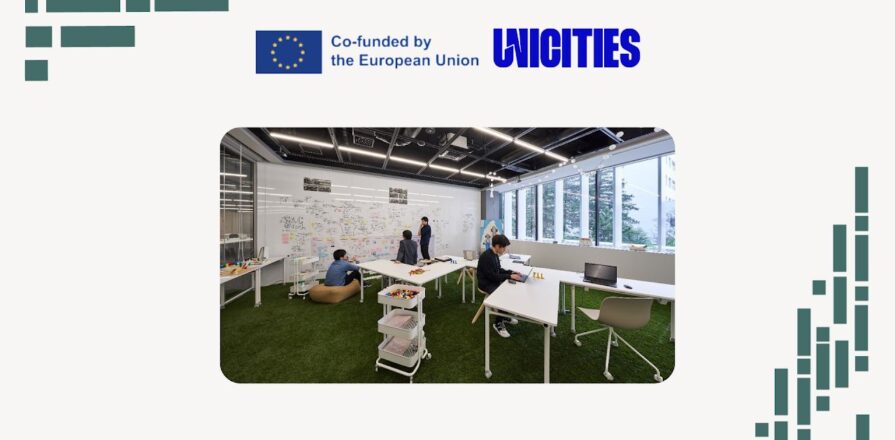
The heart of this space is the Innovation Alley, a place where breakthrough solutions are born. It is home to the Aalto Design Factory and Urban Mill, platforms that bring together students, entrepreneurs, and researchers to work together on future technologies.
The Aalto Design Factory (founded in 2008) is an experimental co-creation platform for education, research, and practical application of design developments. The Design Factory aims to develop a student-driven learning culture at Aalto University.
Urban Mill (founded in 2013) is a thematic clearinghouse and open innovation platform service for global urban innovators. It is a coworking space, an innovation community, and a tool for orchestrating change for urban development. It aims to reimagine the way people do collaborative innovation work and seeks to have a social impact in the global urban context.
In 2018, Espoo was named the “‘smartest community in the world’” by the Intelligent Community Awards. This recognition only confirms that the city has become an ideal platform for innovation, where the present shapes the future.
For example, thanks to the innovations of the open platform, the world’s first comprehensive urban air quality monitoring system has already been created. It complements existing measurement stations by providing more detailed data to develop effective measures to improve air quality. The data obtained is open and accessible to everyone. We also managed to switch the region’s public transport and construction equipment to use biofuels made from waste by 2020. This helps to reduce emissions and move towards zero emissions in mobility.
Living Labs are extremely important for the development of modern cities. Thanks to such platforms, cities receive innovative solutions and the opportunity to reduce risks when implementing new technologies, get quick feedback from residents, and engage the scientific community and businesses in the development process.
The concept of Living Labs can be an essential step in the development of Ukrainian cities.
The UniCities project continues to share best practices for cities to implement effective solutions for sustainable development!